
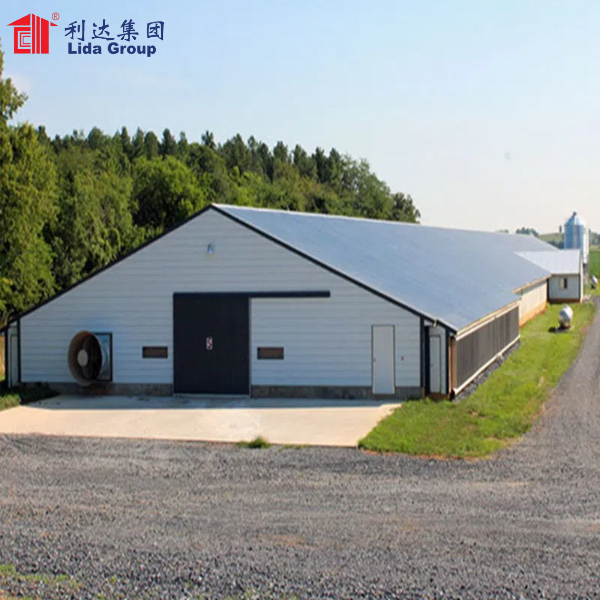
The coconut industry is booming, driven by the increasing demand for coconut-based products such as oil, milk, water, and fiber. As this demand grows, so does the necessity for efficient, sustainable, and eco-friendly production facilities. Lida Group, a leader in prefabricated construction, is at the forefront of developing sustainable coconut factories that not only meet industry needs but also adhere to environmental standards. This article explores the importance of sustainability in coconut production, the innovative approaches taken by Lida Group, and the future of coconut factories.
The Importance of Sustainability in Coconut Production
Environmental Impact of Coconut Farming
Coconut farming has significant environmental implications. While coconuts themselves are generally considered a sustainable crop, the methods of cultivation and processing can lead to various environmental issues, including:
- Deforestation: Expanding coconut plantations can lead to the loss of biodiversity and forest cover, disrupting local ecosystems.
- Water Usage: Coconut processing requires substantial water resources, which can strain local water supplies.
- Waste Management: The by-products of coconut processing, such as husks and shells, can contribute to waste if not managed properly.
The Need for Sustainable Practices
To mitigate these impacts, adopting sustainable practices in coconut farming and processing is crucial. This includes:
- Responsible Sourcing: Ensuring coconuts are sourced from farms that use sustainable practices, such as intercropping and organic farming.
- Efficient Resource Use: Implementing technologies that reduce water and energy consumption during processing.
- Waste Minimization: Developing systems to recycle and repurpose by-products from coconut processing.
Lida Group’s Approach to Sustainable Coconut Factories
Who Is Lida Group?
Lida Group is a prominent name in the prefabricated construction industry, known for its commitment to quality, innovation, and sustainability. The company specializes in designing and constructing factories tailored to the specific needs of various sectors, including the coconut industry. Lida Group’s expertise lies in creating facilities that are not only functional but also environmentally friendly.
Key Features of Lida Group’s Sustainable Coconut Factories
1. Eco-Friendly Design
Lida Group prioritizes eco-friendly designs in its coconut factories:
- Natural Lighting and Ventilation: Factories are designed to maximize natural light and airflow, reducing the need for artificial lighting and air conditioning.
- Sustainable Materials: The use of recyclable and sustainable building materials minimizes environmental impact.
- Green Roofs and Walls: Incorporating vegetation into the design can help with insulation, reduce heat, and improve air quality.
2. Energy Efficiency
Lida Group’s coconut factories are built with energy efficiency in mind:
- Renewable Energy Sources: Facilities can be equipped with solar panels and wind turbines to harness renewable energy, reducing reliance on fossil fuels.
- Energy Management Systems: Smart technologies monitor and optimize energy use, ensuring that facilities operate efficiently.
3. Water Conservation
Water conservation is a critical component of Lida Group’s approach:
- Rainwater Harvesting: Systems are implemented to collect and utilize rainwater for processing and irrigation.
- Water Recycling: Treatment systems are designed to recycle water used in processing, minimizing waste and conserving resources.
4. Waste Management and By-Product Utilization
Lida Group emphasizes effective waste management in its factory designs:
- By-Product Repurposing: Coconut by-products such as husks, shells, and fibers can be repurposed for various applications, including biofuel, compost, and natural fibers for textiles.
- Efficient Waste Disposal: Comprehensive waste management systems ensure that waste is properly sorted and disposed of, reducing environmental impact.
Case Studies: Successful Sustainable Coconut Factories
Case Study 1: Organic Coconut Oil Factory
Challenge: A company wanted to establish a facility for producing organic coconut oil while minimizing its environmental footprint.
Solution: Lida Group designed and constructed a sustainable coconut oil factory using eco-friendly materials and energy-efficient technologies. The facility included solar panels for renewable energy and a rainwater harvesting system.
Outcome: The factory achieved a significant reduction in energy costs and water usage, while also gaining certification for organic production, enhancing its marketability.
Case Study 2: Coconut Water Processing Plant
Challenge: A startup aimed to create a processing plant for coconut water that adhered to sustainable practices.
Solution: Lida Group developed a processing plant designed for maximum efficiency, utilizing natural light and ventilation to minimize energy consumption. The facility also incorporated a waste recycling system for by-products.
Outcome: The plant not only operated sustainably but also increased production capacity, allowing the startup to meet growing consumer demand.
Case Study 3: Integrated Coconut Processing Facility
Challenge: A large coconut producer sought to establish a comprehensive processing facility for various coconut products while minimizing environmental impact.
Solution: Lida Group constructed an integrated facility that processed coconut oil, water, and milk, featuring advanced waste management systems and renewable energy sources.
Outcome: The facility improved operational efficiency and reduced waste, positioning the company as a leader in sustainable coconut production.
The Future of Sustainable Coconut Factories
Trends Shaping the Industry
The future of sustainable coconut factories will be influenced by several key trends:
1. Increased Demand for Organic and Sustainable Products
As consumers become more environmentally conscious, the demand for organic and sustainably produced coconut products is expected to grow. This trend will drive the need for facilities that adhere to strict sustainable practices.
2. Advancements in Technology
Technological innovations will play a crucial role in enhancing the sustainability of coconut factories:
- Automation: Smart manufacturing technologies can optimize production processes, reducing waste and energy consumption.
- IoT Integration: Internet of Things (IoT) devices can monitor resource usage in real-time, enabling more efficient operations.
3. Regulatory Changes
Governments and organizations are increasingly implementing regulations that promote sustainable practices. This will encourage coconut producers to invest in sustainable factory designs to comply with new standards.
Lida Group’s Commitment to Sustainability
Lida Group remains committed to leading the way in sustainable construction practices:
- Continuous Innovation: Ongoing research and development efforts ensure that Lida Group stays at the forefront of sustainable factory design.
- Collaboration with Stakeholders: By working closely with clients, suppliers, and local communities, Lida Group can develop tailored solutions that meet specific needs while promoting sustainability.
Conclusion
Building sustainable coconut factories is essential for meeting the growing demand for coconut-based products while minimizing environmental impact. Lida Group’s innovative approach to factory design emphasizes eco-friendly practices, energy efficiency, and effective waste management. Through their commitment to sustainability, Lida Group is not only helping businesses succeed but also contributing to the overall health of the planet.
As the coconut industry continues to evolve, Lida Group is well-positioned to provide the sustainable solutions needed for the future. The journey toward more efficient and environmentally friendly coconut production is just beginning, and Lida Group is leading the way in this vital sector. By prioritizing sustainability, Lida Group is ensuring that the coconut industry can thrive while respecting the environment for generations to come.
Contact Us
Post time: May-05-2025